
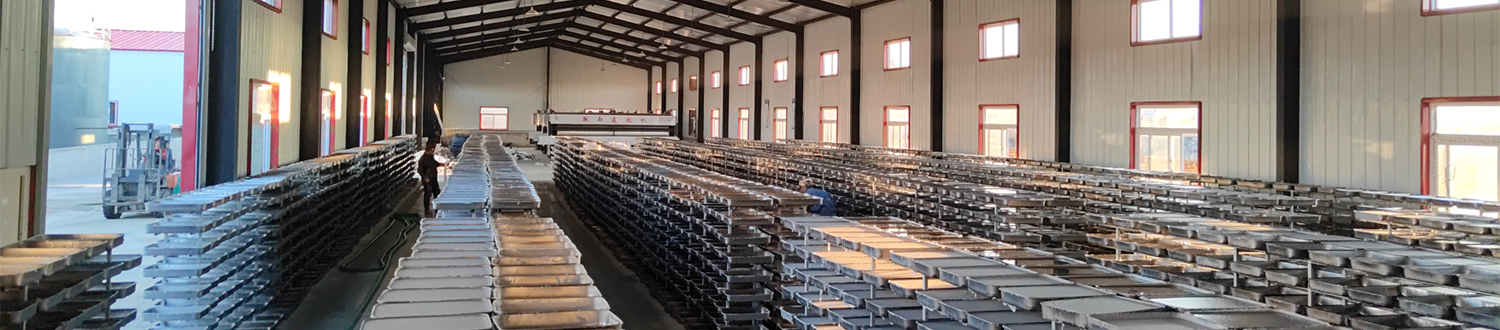
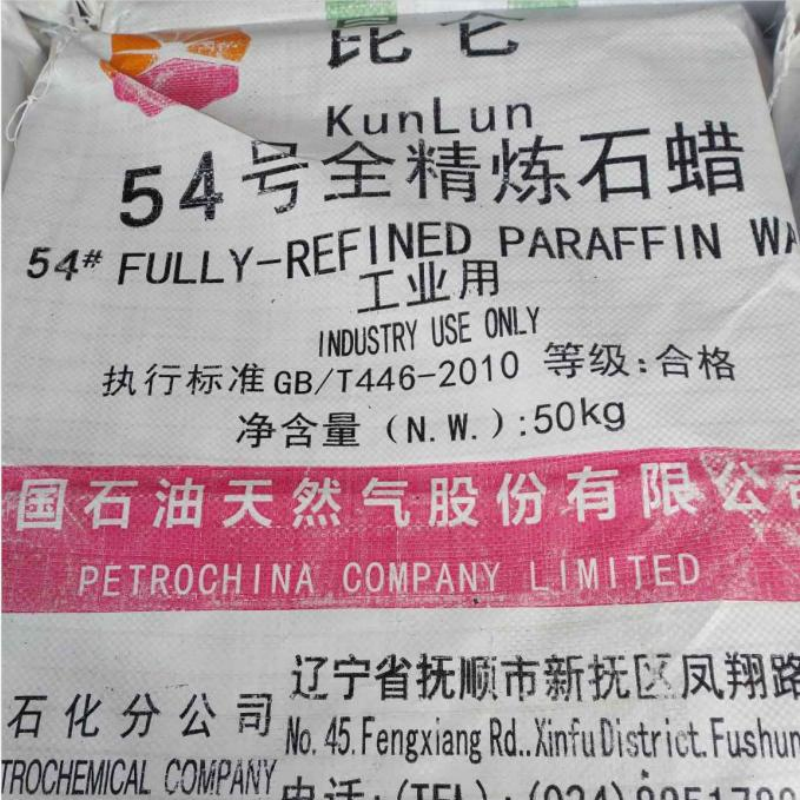
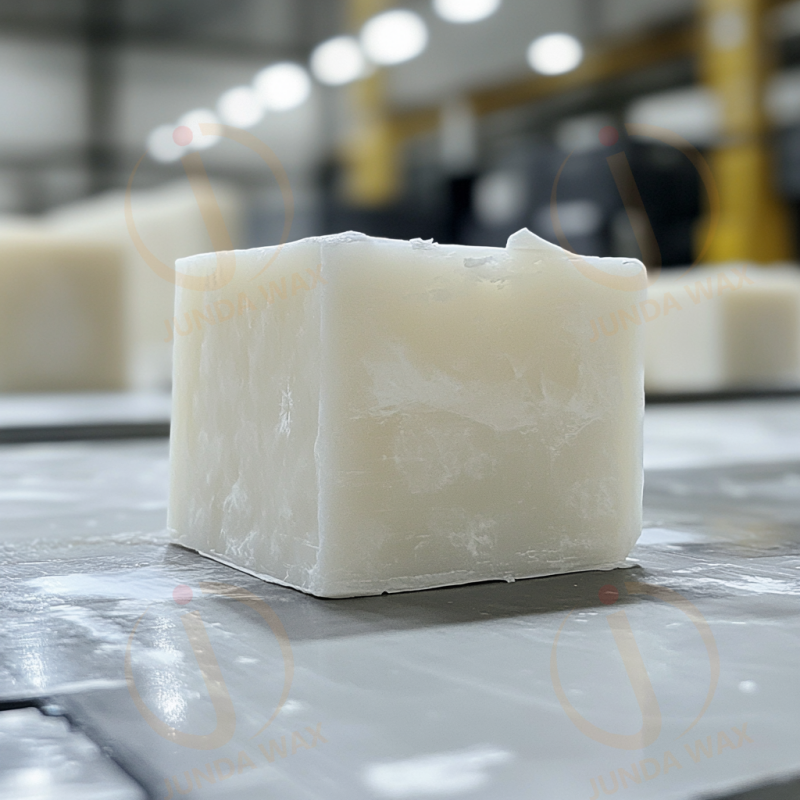
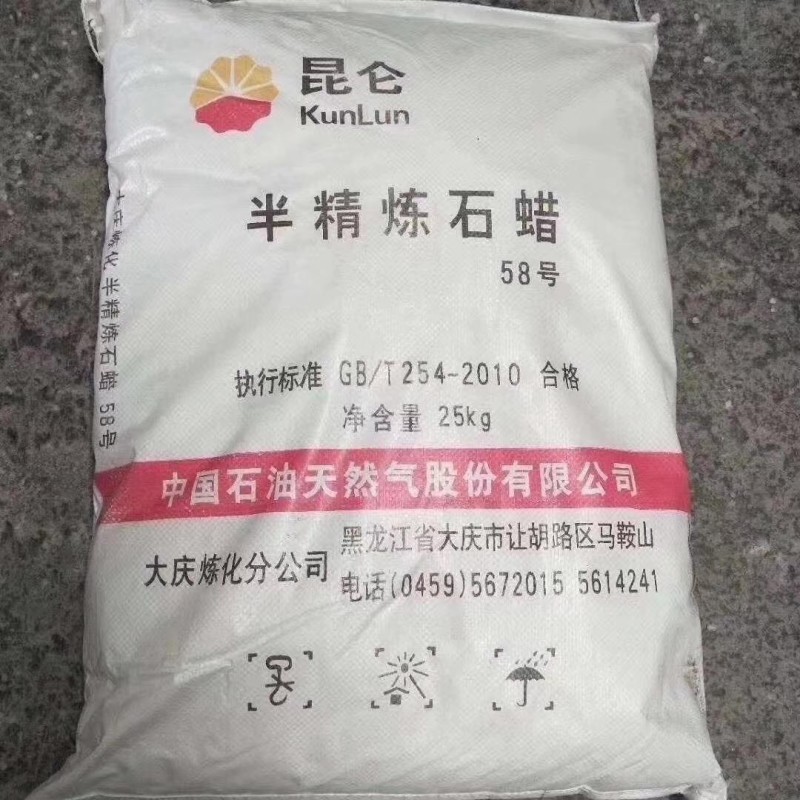
Many people consider fully refined paraffin wax a completely neutral carrier, believing it's only responsible for shaping, and that the color and fragrance depend entirely on the added ingredients. However, in actual production, the purity, oil content, and crystalline structure of the paraffin wax itself directly affect how the colorants appear and how the fragrance is released. Paraffin wax with inconsistent purity, even if it looks similar externally, may have significant internal structural differences. This is why the same fragrance ratio yields completely different results when used with different batches of paraffin wax. When we supply products to customers in different countries, what we value most is not the complexity of the formula, but the stability of the paraffin wax itself.
Color instability is often not a problem with the colorant.
When colors appear gray, dull, or settle at the bottom, the first reaction is often to suspect poor quality colorants. However, based on our experience, it's more often a compatibility issue between the paraffin wax and the colorant. Fully refined paraffin wax has high transparency and is very sensitive to colorants; the amount added and how well it's dispersed are directly amplified. If the paraffin wax system is impure, the colorant will appear cloudy; if the cooling rate of the paraffin wax is inconsistent, the color is prone to stratification. This is why mature factories often rerun color tests when changing paraffin wax suppliers.
Fragrance performance depends on the type of candle you want to sell.
Many people discuss fragrance ratios, assuming the goal is simply to make the candle as fragrant as possible. However, in the export market, fragrance is actually a very nuanced aspect. Fully refined paraffin wax has good fragrance retention capabilities, but if you blindly pursue high ratios, you're more likely to encounter problems with an overly strong initial scent followed by rapid fading. This is especially true for products with relatively fixed burning times, such as tea lights and container candles, where the evenness of fragrance release is crucial. When advising clients, we usually start by asking: what is the intended use of your candle? Is it for festive occasions, daily aromatherapy, or commercial use? The answer will completely change the approach to fragrance use.
Temperature and stirring are the most easily underestimated variables.
Many formulas look correct on paper, but fail in actual production, often because the temperature and stirring are not properly controlled. If the colorants are not dispersed sufficiently during mixing, it's difficult to salvage the product later; if the fragrance is added at too high a temperature, the scent evaporates prematurely, leaving only a faint aroma. The advantage of fully refined paraffin wax lies in its strong controllability, but this requires a stable operational rhythm. This is why many customers find their products become more stable after upgrading their equipment—it's not that the formula has changed, but that the process has become more controllable.
Why is a one-stop supply more likely to produce stable formulas?
When paraffin wax, colorants, fragrances, and wicks all come from different sources, formula instability is a high probability event. Each material might be fine individually, but combining them often leads to minor problems. Suppliers who can provide all candle production materials from a single source tend to have more experience with material compatibility and can more easily pinpoint the cause of problems when they arise. A model like Junda Wax, which provides everything from fully refined paraffin wax to wicks, dyes, and even candle production equipment, ensures synergistic matching, essentially helping customers reduce unnecessary trial-and-error costs.
What's the difference between being able to make a product and making it consistently?
Many factories can make beautiful, fragrant candles, but they struggle to achieve consistency from batch to batch. The difference lies not just in experience, but in a holistic understanding of the raw material system. Fully refined paraffin wax isn't about being the most expensive, but about being suitable for your product structure; colorants and fragrances aren't about using templates, but about matching the wax type and market positioning. Once these logics are understood, the proportions become the simplest step.
Conclusion
The relationship between fully refined paraffin wax, colorants, and fragrances is more like a long-term collaborative process than a one-time formula. Truly mature candle factories focus on stability, reproducibility, and long-term delivery capabilities, not on how stunning a single sample is. Choosing the right paraffin wax system, understanding the logic of material compatibility, and having one-stop, sustainable supply support are essential for candle products to truly thrive in the long run.
